Why Every UK Homeowner Needs a Socket Tester with RCD Test for Electrical Safety
A practical guide to verifying your plug wiring and confirming your life-saving RCDs actually trip when they should — because assuming they work isn't good enough.
What Is a Socket Tester with RCD Test?
A tester with rcd test is a plug-in device that checks two things simultaneously: whether your mains socket is wired correctly, and whether your Residual Current Device trips within the required 200ms safety window. You plug it in, press a button, and get an instant visual readout. No tools needed. No electrician required for this basic check.
I've had one in my kitchen drawer for about three years now. Proper peace of mind, honestly.
The device works by sending a small controlled fault current — typically around 30mA — through the earth conductor. If your RCD is functioning correctly, it should trip almost instantly, cutting power to the circuit. If it doesn't? Well, that's exactly why you need to test it.
What's Inside the Device?
Most quality testers contain a resistor network that simulates earth leakage, LED indicators for wiring status, and a momentary push-button that initiates the RCD trip test. The whole unit draws minimal current during the wiring check phase — we're talking microamps. It's only during the active RCD test that the 30mA fault is generated.
Brands like Martindale Electric have been manufacturing this type of safety equipment in the UK for decades. Their socket testers and electrical testing range is trusted across the trade. The Martindale socket tester range, for instance, uses a three-LED system that's become something of an industry standard.
Why Every UK Homeowner Needs an RCD Socket Tester in 2026
RCDs save lives. Full stop. They're designed to cut power within 40ms when they detect current leaking to earth — the kind of fault that causes electrocution. But here's the thing most people don't realise: RCDs can fail silently. They sit in your consumer unit looking perfectly fine while their internal mechanism seizes up from lack of use.
The Health and Safety Executive (HSE) recommends testing RCDs at least quarterly. How many homeowners actually do that? Based on conversations I've had with neighbours and mates — almost none. (And yes, I was in that camp until fairly recently.)
Key statistic: According to Electrical Safety First, around 70 people die from electrical accidents in UK homes each year, with hundreds more suffering serious injuries. A functioning RCD reduces the risk of fatal electric shock by over 97%.
The DIY Factor
More of us are doing our own minor electrical work these days. Changing a light fitting, swapping a socket faceplate, wiring a plug. All perfectly legal for homeowners. But mistakes happen. Reversed live and neutral connections won't trip your MCB — the circuit will appear to work normally. Only a plug-in wiring checker will catch that error before someone gets hurt.
So is it worth spending £15-£30 on a tester? I'd say that's proper brilliant value for something that could genuinely save a life. You know what I mean?
How RCD Testing Actually Works
An RCD monitors the balance between live and neutral current. In a healthy circuit, current flowing out on the live wire equals current returning on the neutral. If even a tiny amount — 30mA on most domestic RCDs — leaks to earth (say, through a person touching a live part), the RCD detects the imbalance and disconnects the supply.
Your socket tester with RCD test functionality simulates this exact scenario. When you press the test button, it deliberately routes approximately 30mA through the earth path, creating an artificial imbalance. The RCD should trip within 200-300ms for a standard test, though most healthy units trip in under 40ms.
Why the Built-In Test Button Isn't Enough
Every RCD has a small "T" or "Test" button on its face. Pressing it does confirm the mechanical trip mechanism works. But — and this is important — it doesn't verify the sensing toroid is functioning correctly. It doesn't confirm the earth path from your socket back to the consumer unit is intact. A plug-in RCD tester checks the entire fault loop, not just the trip mechanism.
To be fair, the built-in button is still worth pressing monthly. It exercises the mechanism. But it's not a substitute for a proper earth-loop RCD test from the socket itself.
Trip Times and What They Mean
BS 7671 (18th Edition Wiring Regulations) requirements:
- At rated residual current (30mA): must trip within 300ms
- At 5× rated current (150mA): must trip within 40ms
- At ½ rated current (15mA): must NOT trip
Basic plug-in testers confirm a trip occurs. Professional instruments like the Martindale test equipment range can measure exact trip times in milliseconds — useful for electricians conducting periodic inspections under the Electrical Equipment Safety Regulations 2016.
How to Use a Socket Tester: Step by Step

Using an RCD plug-in tester is genuinely simple. I tested every socket in my terraced house in Bristol in under 20 minutes. Here's the process:
Wiring Check (Automatic)
- Insert the tester into any 13A socket
- The LED indicators illuminate immediately — no buttons to press
- Read the LED pattern against the chart printed on the tester body
- Green LEDs in the correct pattern = wiring is correct
- Any red LED or unusual pattern = fault detected
RCD Trip Test (Manual)
- Confirm wiring is correct first (essential — don't RCD test a mis-wired socket)
- Warn household members that power will cut momentarily
- Press and hold the RCD test button on the tester
- The RCD in your consumer unit should trip within 1-2 seconds
- Reset the RCD at the consumer unit
- Remove the tester
Important: If the RCD doesn't trip, stop using that circuit and call a qualified electrician. This isn't a "try again later" situation.
Before doing any further investigation yourself, a Martindale voltage tester is essential for confirming circuits are dead. The Martindale voltage indicator range starts from £108.53 and includes models with built-in proving functionality — the kind of kit that supports Martindale safe isolation procedures.
Reading Your Results: What the Lights Mean
Most socket testers use a three-LED system. The exact configuration varies by manufacturer, but here's what a typical Martindale socket tester displays:
| LED Pattern | Meaning | Action Required |
|---|---|---|
| Green - Green - Red (off) | Correct wiring | None — socket is safe |
| Green - Red - Red (off) | Live/Neutral reversed | Call electrician immediately |
| All off | No earth connection | Do not use socket — call electrician |
| Red - Green - Red (off) | Live/Earth reversed | Dangerous — isolate circuit immediately |
| Green only | Missing neutral | Call electrician |
Common Faults I've Found
In my own home — a 1930s Bristol terrace — I found one socket with a missing earth. It was in the back bedroom, behind a wardrobe. Probably hadn't been touched since the last rewire in the 1980s. The earth conductor had come loose from the terminal. Sorted by a local sparky in ten minutes, but I'd never have known without testing.
Reversed polarity is surprisingly common in properties where previous owners have done their own socket swaps. The circuit works. Appliances run. But the switch on your appliance now disconnects the neutral instead of the live, meaning internal components remain energised even when "off." Dangerous? Absolutely.
Choosing the Right Socket Tester with RCD Test for Your Needs

Not all testers are equal. The cheapest ones — around £8-£10 — typically only check wiring. They won't test your RCD. For a proper socket tester with RCD test capability, expect to spend £15-£35 depending on features.
| Feature | Basic Wiring Tester | Socket Tester with RCD | Professional Grade |
|---|---|---|---|
| Price Range | £8-£12 | £15-£35 | £45-£120 |
| Wiring Check | Yes | Yes | Yes |
| RCD Trip Test | No | Yes (30mA) | Yes (multiple levels) |
| Trip Time Measurement | No | No | Yes (ms display) |
| Earth Loop Impedance | No | No | Some models |
| CAT Rating | CAT II 250V | CAT II 250V | CAT III 300V+ |
| Suitable For | Quick visual check | Homeowner safety testing | Electricians, PAT testing |
Brands Worth Considering
Martindale Electric UK is the name most electricians reach for. They've been making industrial safety equipment and electrical test gear in Britain since 1928. Their BZ101 socket tester is a solid homeowner choice, while the EZ365 adds RCD testing. For professionals, the Martindale PAT tester range handles portable appliance testing to full compliance standards.
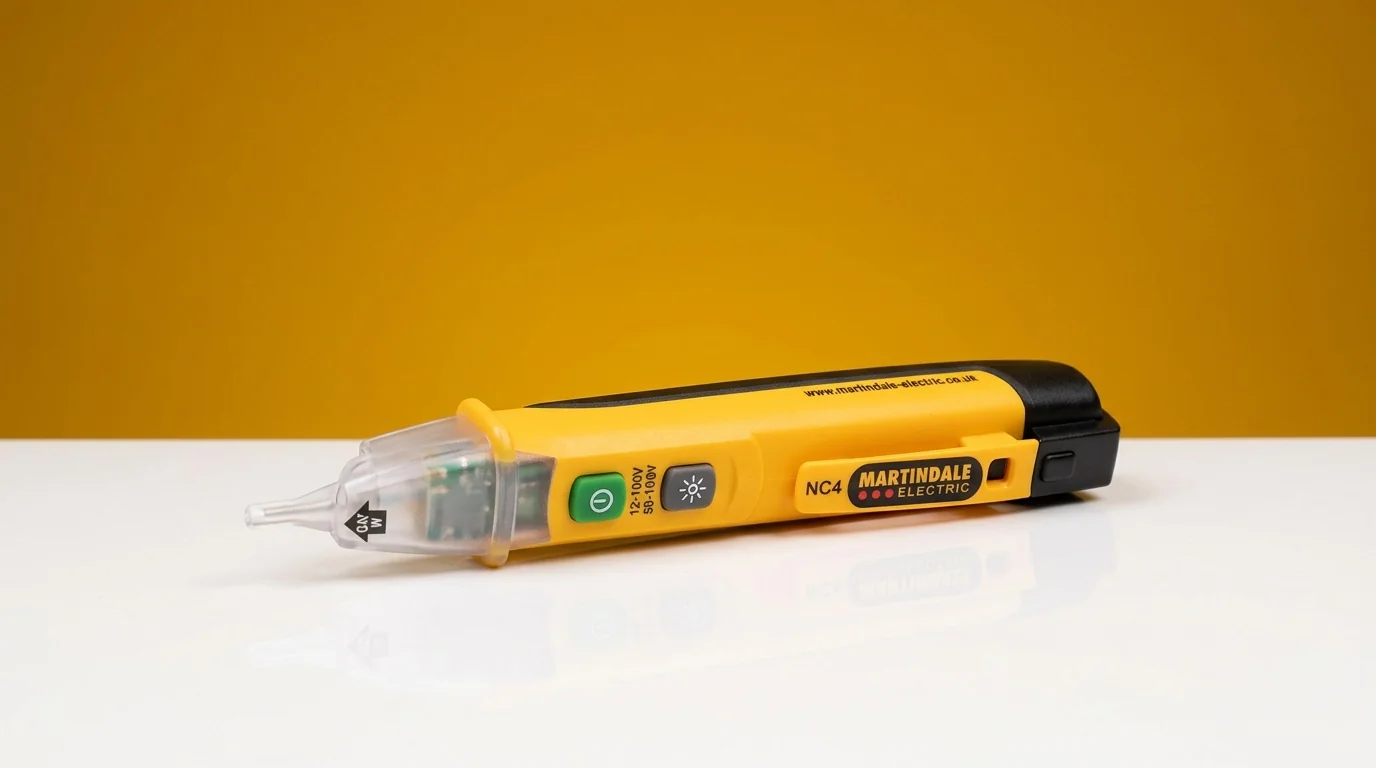
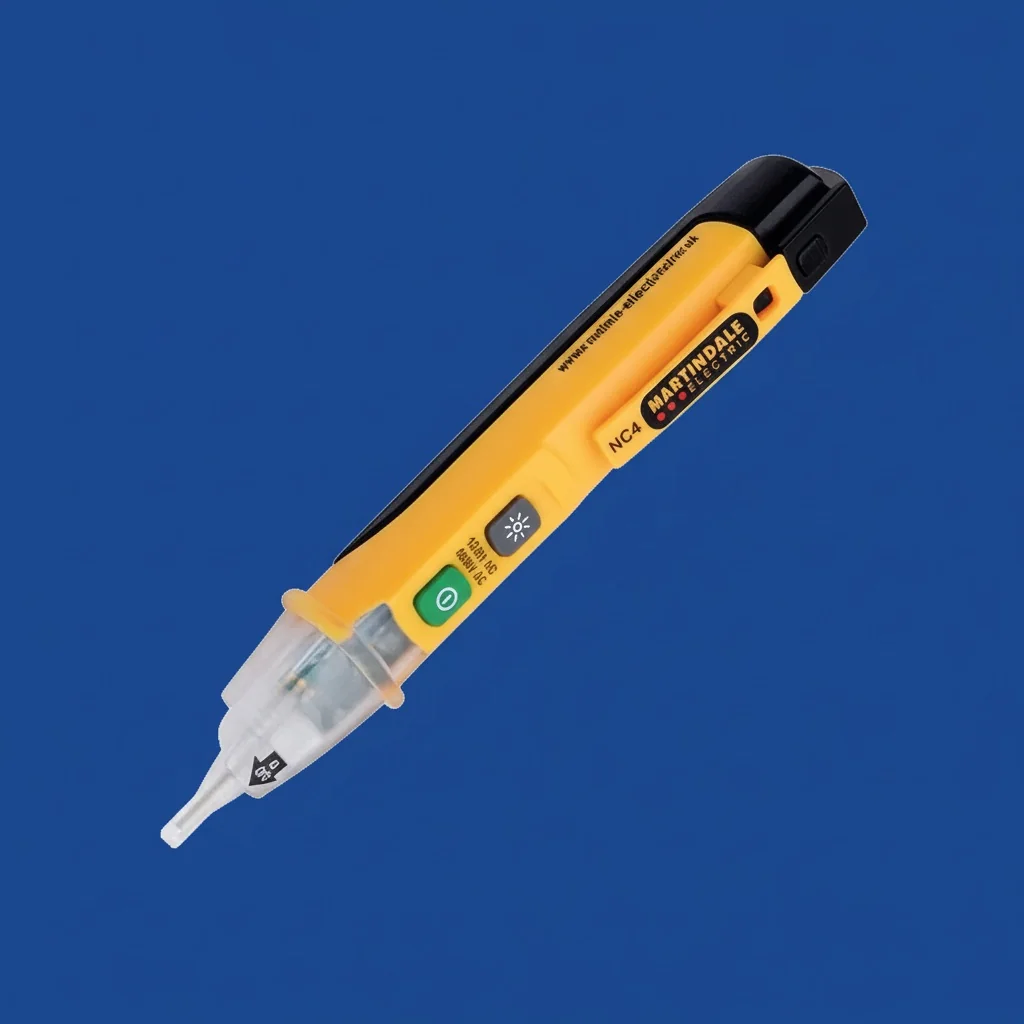
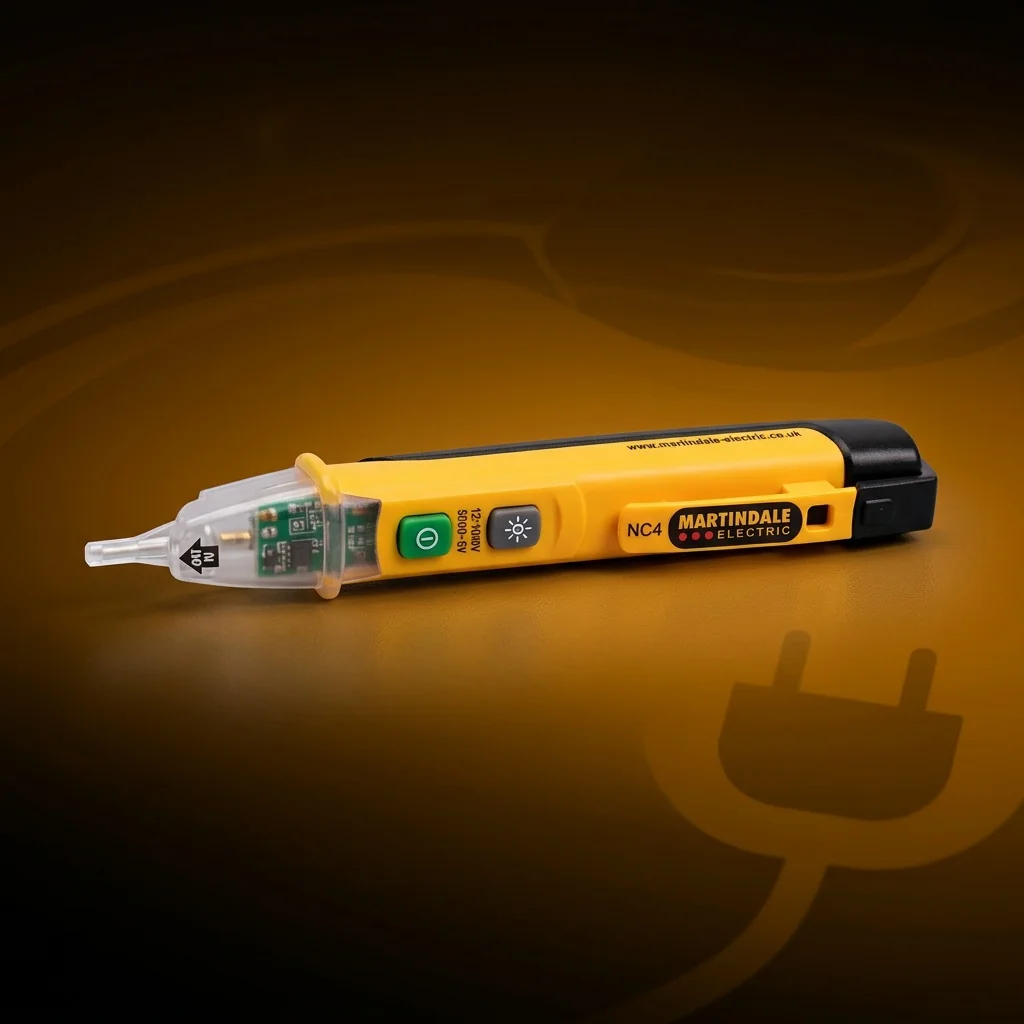
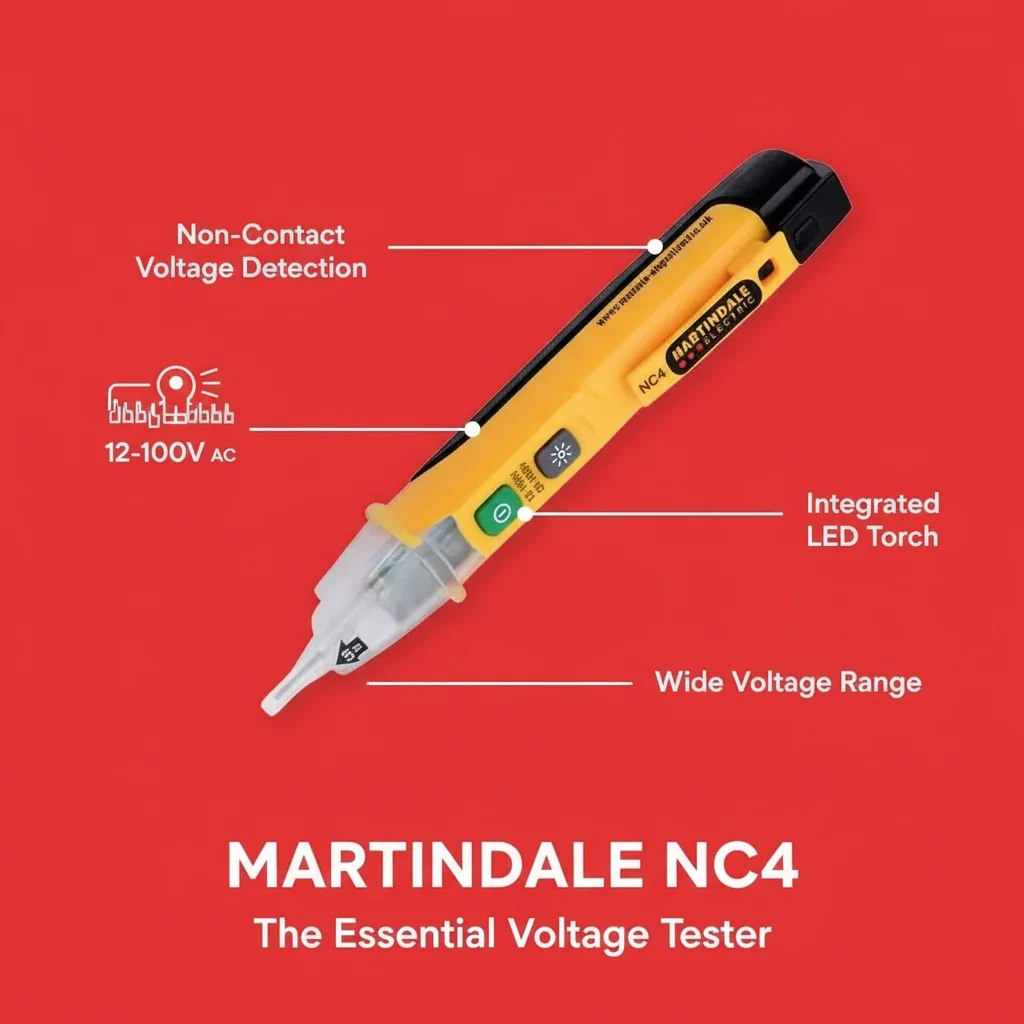
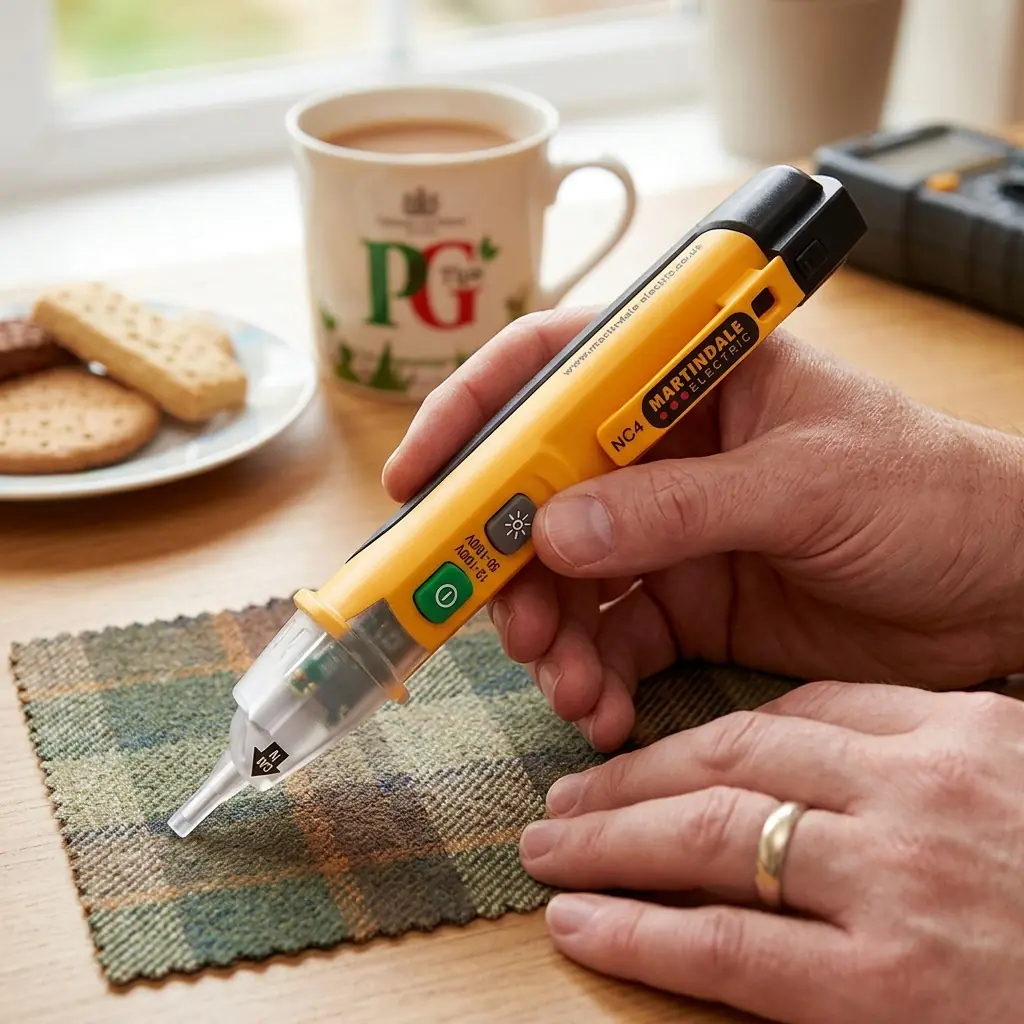
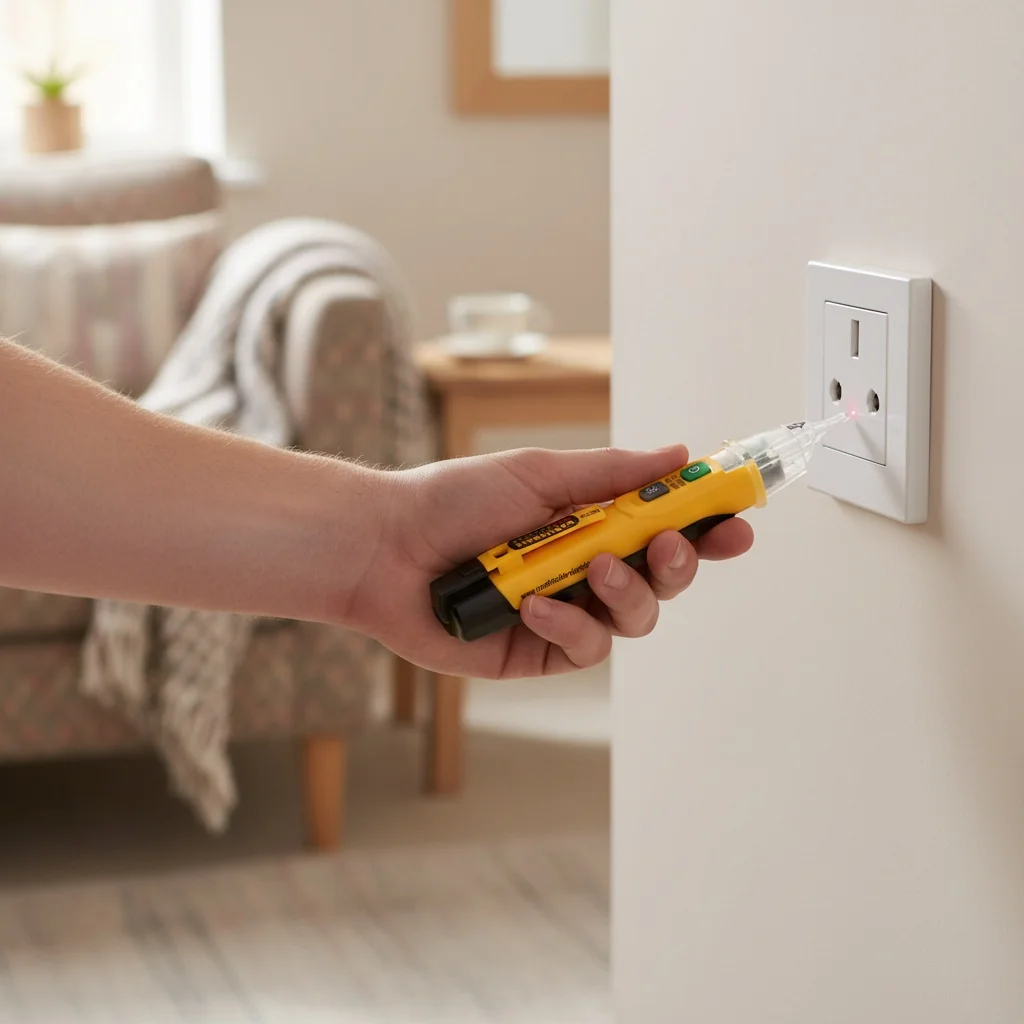
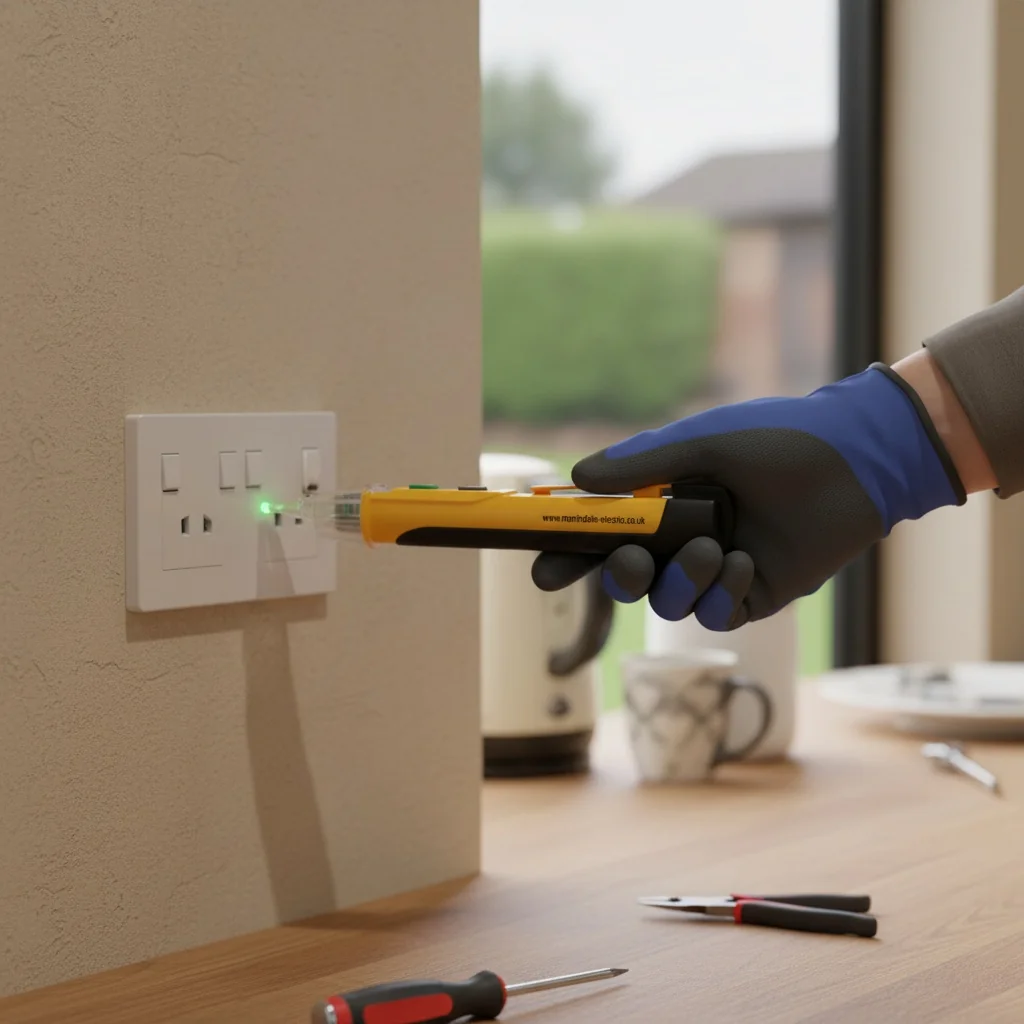
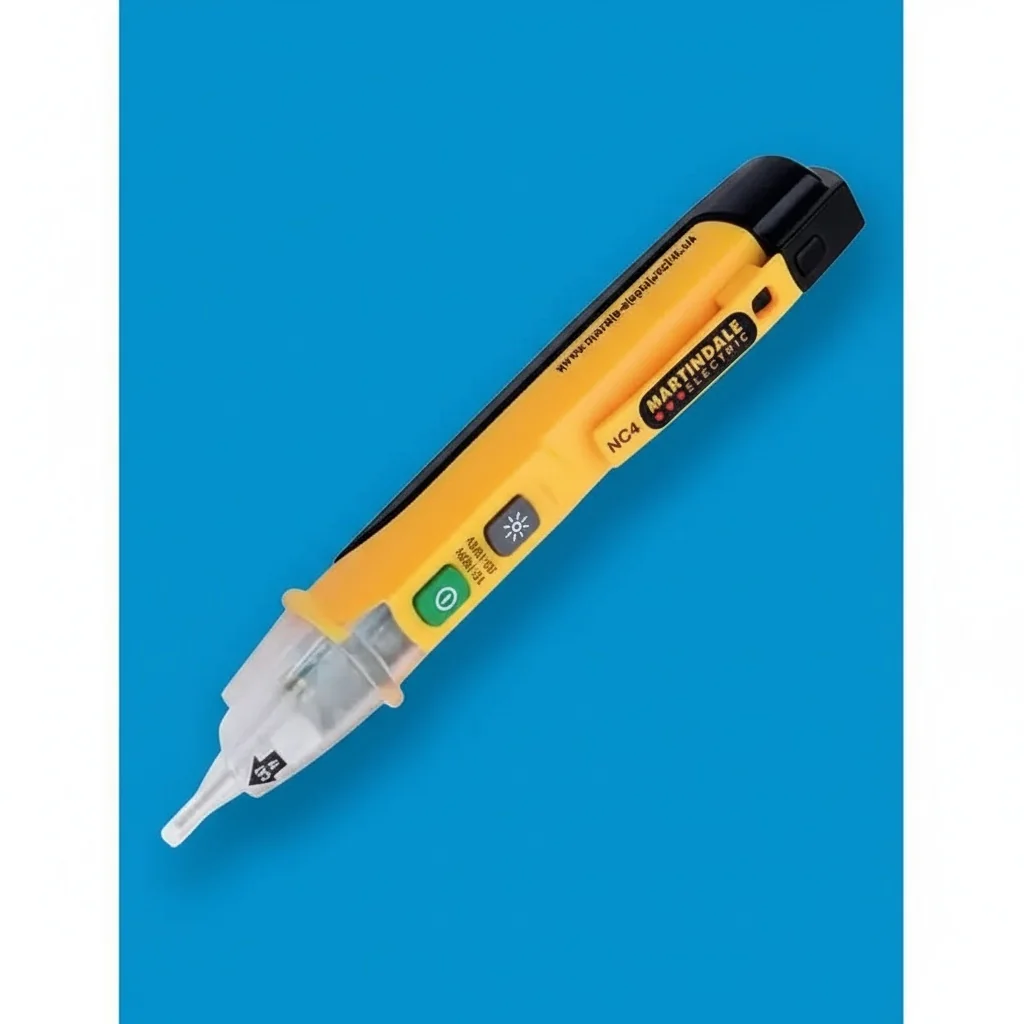
If you're building a basic home electrical safety kit, I'd pair an RCD socket checker with a non-contact voltage detector — something like the Martindale NC4 at £108.53 with free UK delivery. That combination covers your two most common needs: "is this socket wired right?" and "is this wire live?"
Honestly, I've tried cheaper alternatives from marketplace sellers and they just don't cut it. One gave me a false "correct" reading on a socket I knew had issues. With safety equipment, buy from established manufacturers. It's not the place to save a fiver.
UK Regulations You Should Know About
Electrical safety in UK homes falls under several overlapping regulations. You don't need to memorise them all, but understanding the basics helps you know your rights — and responsibilities.
Key Legislation
The Electrical Equipment Safety Regulations 2016 replaced older regulations and set requirements for all electrical equipment supplied in the UK. For landlords, the Electrical Safety Standards in the Private Rented Sector (England) Regulations 2020 mandate five-yearly inspections by qualified persons.
The Health and Safety Display Screen Equipment Regulations 1992 cover workplace environments specifically, but the broader principle applies: employers and landlords have legal duties to ensure electrical safety. The GOV.UK guidance on electrical safety outlines these responsibilities clearly.
For the wiring in your home, BS 7671 (the IET Wiring Regulations, 18th Edition) is the standard. It requires RCD protection on all circuits in domestic installations — something that's been mandatory for new installations since 2008. The British Standards Institution (BSI) publishes and maintains these standards.
What About Older Homes?
Here's where it gets interesting. If your home was wired before 2008, you might not have RCD protection on every circuit. Some older consumer units only protect the socket circuits, leaving lighting on MCBs alone. A socket tester with RCD test will quickly tell you which sockets are RCD-protected and which aren't.
My house had a split-load board fitted in 2003. Half the circuits had RCD protection, half didn't. I only discovered this when my tester failed to trip anything on the upstairs ring. That prompted a consumer unit upgrade — money well spent, I reckon.
Martindale Safe Isolation and Professional Testing
For anyone doing electrical work beyond basic socket checks, Martindale safe isolation kit products provide the full prove-dead procedure required by HSE guidance. A Martindale proving unit confirms your voltage tester is working before and after you test — the "prove, test, prove" methodology that prevents assumptions about dead circuits. The Martindale voltage indicator range covers everything from basic two-pole testers to advanced units with rotating field detection.
Frequently Asked Questions
How often should I test my RCDs with a socket tester?
Test every RCD-protected circuit quarterly using a plug-in socket tester device functionality. The HSE recommends pressing the built-in test button monthly as well. RCD mechanisms can seize if left untested for extended periods — quarterly testing ensures the trip mechanism remains free and responsive within the required 300ms window.
Can a socket tester detect all electrical faults?
No. A plug-in tester detects wiring polarity errors, missing earth, and RCD function. It cannot measure earth loop impedance accurately, detect intermittent faults, identify overloaded circuits, or test insulation resistance. For full periodic inspection, you need a qualified electrician with calibrated instruments like a multifunction tester capable of measuring Zs values to 0.01Ω resolution.
Will an RCD socket tester work on any UK 13A socket?
Yes, any standard BS 1363 13A socket in the UK will accept a plug-in tester. The wiring check works on all circuits regardless of RCD protection. However, the RCD trip test only functions on circuits protected by a 30mA RCD — if your circuit uses only an MCB without RCD protection, the trip test won't activate anything, which itself tells you that circuit lacks RCD coverage.
What's the difference between an RCBO and an RCD?
An RCD (Residual Current Device) protects against earth leakage faults only, typically covering multiple circuits. An RCBO (Residual Current Breaker with Overcurrent) combines RCD earth-fault protection with MCB overcurrent protection in a single device, protecting one individual circuit. A tester with rcd test will trip either type — both respond to the same 30mA test current.
Is it safe for a non-electrician to use an RCD socket tester?
Absolutely. Plug-in socket testers are designed specifically for non-specialist use. You simply insert the device into a socket — no covers removed, no exposed conductors, no risk of contact with live parts. The tester is double-insulated and meets CAT II 250V safety ratings. It's as safe as plugging in a phone charger. Just remember to warn others before pressing the RCD test button, as it will cut power to that circuit.
My RCD didn't trip during testing — what should I do?
Stop using high-risk appliances on that circuit immediately and contact a registered electrician. A non-tripping RCD means you have no earth-fault protection — any appliance developing a fault could deliver a lethal shock. The electrician will test with calibrated instruments, and the RCD will likely need replacing. Typical replacement cost including labour is £80-£150 for a standard consumer unit RCD in 2026.
Key Takeaways
- Test quarterly: Use a socket tester with RCD test to verify every protected circuit at least four times per year — RCDs can fail silently without regular exercise.
- Wiring faults hide in plain sight: Reversed polarity won't trip your MCB and appliances will appear to work normally, but the fault creates a genuine electrocution risk.
- Buy from established brands: Martindale Electric and similar UK manufacturers build testers to proper safety standards — budget marketplace alternatives may give false readings.
- The built-in test button isn't enough: It only checks the trip mechanism, not the sensing toroid or the earth path integrity from your socket back to the consumer unit.
- Older homes need extra attention: Pre-2008 installations may lack RCD protection on some or all circuits — your tester will identify which sockets are unprotected.
- Non-trip = immediate action: If your RCD doesn't trip during a plug-in test, that circuit has no earth-fault protection and needs professional attention before continued use.
- Pair with a voltage tester: A socket checker plus a non-contact voltage detector (from £108.53) covers the two most common home electrical safety checks.
Ready to try MARTINDALE?
Shop Now — £108.53